 ultimate-guide
Is 3D Ultrasound Worth It? A 2026 Guide for Parents
Table of Contents
- What You Actually Get From a 3D Ultrasound
- The Best Time for a 3D Ultrasound: Timing Your Session
- Elective Ultrasound Safety: What the FDA Says and What to Ask
- 3D vs 4D Ultrasound Differences: Which One Should You Book?
- What 3D Ultrasound Costs and How to Think About the Value
- Common Concerns About 3D Ultrasound, Answered
- Conclusion
- Frequently Asked Questions
Last Updated: September 29, 2026
What You Actually Get From a 3D Ultrasound
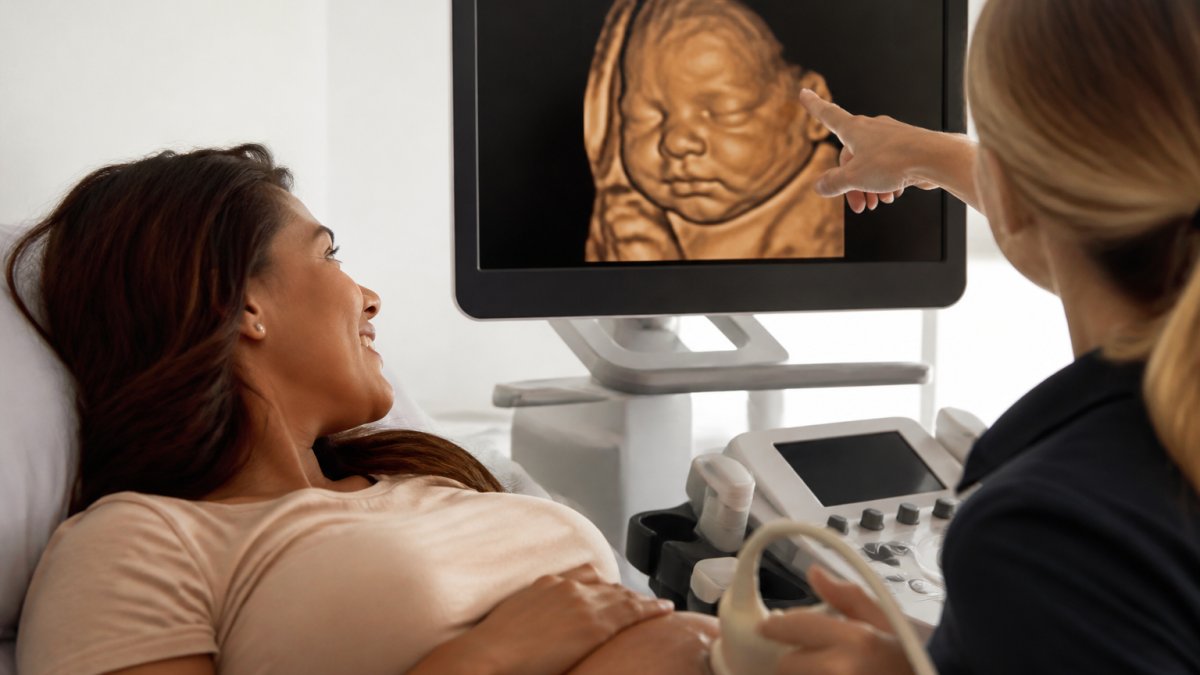
If you're asking whether 3D ultrasound is worth it, the honest answer depends on what you're hoping to take home: diagnostic information or a memory. A 3D ultrasound is an elective imaging session that builds a three-dimensional picture of your baby's face, hands, and movements, usually printed or saved as a keepsake. At BabyView3D, our service is designed to create a magical and lasting connection between you and your baby during your pregnancy journey.
Your OB's ultrasound exists to measure, screen, and document. Elective 3D imaging exists to help you bond. According to the FDA consumer guidance on fetal keepsake images, ultrasounds should be performed only by trained operators and only when medically indicated, which is exactly why reputable elective providers separate the experience from medical care.
That separation matters in Arlington, where expectant parents often book an elective session between their routine prenatal visits. You get a longer appointment, a comfortable room, and images designed to be shared rather than filed.

The Best Time for a 3D Ultrasound: Timing Your Session
The best time for a 3D ultrasound is generally between 26 and 32 weeks of gestation, when your baby has enough fat under the skin for facial features to read clearly and still has room to move. Book too early and the face can look skeletal; book too late and the baby may be head-down and pressed against the placenta.
A common mistake is scheduling around a single date rather than a window. Babies do not cooperate on command.
If you're only 20 weeks along, you can still get recognizable images, but they will look less defined. Many parents book a second session later for that reason.
Elective Ultrasound Safety: What the FDA Says and What to Ask
Elective ultrasound safety comes down to two things: who is operating the machine, and whether the session stays within accepted limits. The FDA has repeatedly cautioned against keepsake imaging performed without a medical referral, not because a single session is inherently dangerous, but because untrained operators and prolonged exposure are real risks.
The American Institute of Ultrasound in Medicine publishes guidance on the safe use of diagnostic ultrasound, and it emphasizes the principle of ALARA, keeping exposure as low as reasonably achievable. You can read their position through the AIUM official statements on ultrasound safety.
So what should you ask before booking anywhere, in Arlington or anywhere else?
- Who performs the scan, and what training do they hold?
- Is a licensed medical professional involved in oversight?
- How long does a typical session run?
- What happens if the scan reveals something that looks unusual?
A provider that answers those questions plainly is a provider worth your time. A provider that dodges them is not.
3D vs 4D Ultrasound Differences: Which One Should You Book?
The 3D vs 4D ultrasound difference is simpler than the marketing suggests. A 3D ultrasound produces still, three-dimensional images. A 4D ultrasound adds time, so you watch your baby move in real time, yawning, kicking, and shifting. The underlying technology is the same; only the output changes.
| Feature | 3D Ultrasound | 4D Ultrasound |
|---|---|---|
| Output | Still 3D images | Real-time video |
| Best for | Framed keepsakes, prints | Watching movement live |
| Session feel | Calm, pose-focused | More animated, unpredictable |
| Typical add-on | Prints and digital files | Video clips and recordings |
Which one should you book? If your goal is a framed image for the nursery, 3D is enough. If you want to watch your baby hiccup and kick, 4D delivers that.
What 3D Ultrasound Costs and How to Think About the Value
Pricing for elective 3D ultrasound varies by provider, package, and what's included, so we don't quote a single figure here. What we can tell you is how to evaluate the number you're given.
Ask what the package actually contains: session length, number of printed images, digital files, and whether a repeat visit is offered if the baby doesn't cooperate. A lower headline price with no redo policy often costs more in the end.
Then compare it to what you're already spending on prenatal care. Elective imaging is a want, not a need, and it should be budgeted like one. Expectant parents in Arlington who treat it as a keepsake purchase rather than a medical expense tend to feel better about the decision.
For current package details, check BabyView3D's service page or contact the studio directly.
Common Concerns About 3D Ultrasound, Answered
Concerns about 3D ultrasound usually fall into three buckets: safety, image quality, and emotional impact. All three are worth taking seriously.
On safety, the answer is to choose a provider with trained staff and reasonable session lengths, and to ask questions before you book.
On image quality, understand that no session guarantees a perfect photo. Babies move, placentas get in the way, and some faces simply don't photograph well from certain angles. A good provider will explain this upfront.
On emotional impact, this is the concern parents raise least often and feel most. If you're already anxious about your pregnancy, an elective scan can either soothe that anxiety or sharpen it, depending on what you see and who's guiding you. A non-diagnostic wellness experience, framed clearly as bonding rather than screening, tends to help. A session that promises more than it can deliver tends to hurt.
Conclusion
Deciding whether 3D ultrasound is worth it comes down to what you want from the experience: a medical answer or a memory you'll keep. If it's the latter, the value is real, provided you choose a provider that's honest about safety, timing, and what the images can and cannot show.
BabyView3D offers 3D ultrasound sessions in Arlington designed around exactly that: stunning 3D imaging, a warm and unhurried appointment, and keepsakes you can hold onto long after the pregnancy ends. Our service is built for bonding, not diagnosis, and we're clear about the difference.
Book Now with BabyView3D and see your baby in 3D before they arrive.
Frequently Asked Questions
What is the difference between a diagnostic ultrasound and an elective 3D ultrasound?
A diagnostic ultrasound is ordered by your doctor or midwife to check the baby's health, growth, and anatomy. An elective 3D ultrasound is a non-diagnostic session you book for bonding and keepsakes. It does not replace your medical scans, and a trained technician will not diagnose conditions from it. If something looks unusual during an elective session, the provider should refer you to your doctor for a proper medical evaluation.
Are 3D ultrasounds safe for the baby?
The FDA has stated that ultrasound should only be performed by trained professionals and only when medically necessary, and it discourages keepsake-only scans. In practice, elective 3D sessions use the same sound-wave technology as diagnostic scans. The main safety concern is exposure time and operator training, so choose a provider with certified sonographers who follow limits on scan duration. Always tell your OB or midwife about any elective scan you book.
When is the best time for a 3D ultrasound?
Most providers suggest scheduling between 26 and 30 weeks. At this stage, the baby has enough fat under the skin for clearer facial detail, and there is usually still room to move. Before 24 weeks, features are less developed. After 32 weeks, the baby may be head-down and pressed against the placenta or uterus, which can block the view. Your provider can confirm the ideal window for your pregnancy.
What should I look for in a reputable 3D ultrasound provider in Arlington?
Ask whether the sonographer is certified and how long each session lasts. A reputable provider will not promise diagnostic results and will explain that images depend on the baby's position. Confirm the facility follows FDA guidance on limited exposure. Reading recent customer reviews and asking about their training background helps you avoid unqualified operators.